Friday, November 22, 2024

Free Yacht Plans for Building a Luxury Boat for Beginners

Free Yacht Plans for Building a Luxury Boat for Beginners

Free Yacht Plans for Building a Luxury Boat for Beginners: Is This Really Possible?

Hey there, future yacht owner! So you're dreaming of cruising the open waters in your own luxurious vessel, but the price tags on those fancy yachts can be a bit, shall we say, daunting. "What if I could build my own?" you might be thinking. Well, hold onto your hats, because you're not alone. The idea of building a yacht, especially for a beginner, can feel like a massive, impossible undertaking. But what if I told you that it's not as crazy as it sounds? While it's certainly a challenging project, finding free yacht plans can actually be a great place to start.

Before we dive into the details, let's be honest: Building a luxury yacht from scratch is not a casual weekend project. It's a commitment that demands a considerable amount of time, skill, and resources. But with the right plans, guidance, and maybe a little bit of elbow grease, it can become a truly rewarding and fulfilling experience.

Where Can I Find Free Yacht Plans?

Okay, you've decided to take the plunge. The next question is: Where do you even find these mythical free yacht plans?

Online Resources

The internet is your friend, my friend! There are plenty of websites dedicated to sharing boat plans. Here are a few starting points:

  • **Boat Designers Online:** Many independent boat designers offer free plans for smaller vessels, often as a way to showcase their work. Look for websites specializing in "free boat plans" or "design your own boat."
  • **Boatbuilding Forums:** Forums like "The Wooden Boat Forum" or "Boat Design Net" can be treasure troves of information. Experienced boatbuilders often share their plans and even offer advice to aspiring boaters.
  • **YouTube Channels:** Don't underestimate the power of YouTube! You'll find tons of tutorials, tips, and even full boat building projects documented on video. Search for "free boat plans" or "build your own boat" to get started.

Public Libraries

Don't forget the old-school resources! Public libraries often have sections dedicated to boating and boatbuilding. You might find books with detailed plans or even access to databases that contain blueprints.

What Kind of Yacht Plans Are Out There?

Free plans are usually available for smaller, simpler boats, not the mega-yachts you see in magazines. You're more likely to find plans for:

  • **Dinghies and Sailboats:** These smaller craft are excellent starting points for beginners. They tend to have simpler designs and are more manageable to build.
  • **Small Motorboats:** You can find plans for small, open motorboats, perfect for fishing or leisurely day trips.
  • **Pontoon Boats:** Pontoon boats are known for their stability and ease of construction.

Are Free Yacht Plans Any Good?

Let's get real. While free plans are a fantastic resource, they might not be the most polished or detailed. It's always a good idea to approach them with a critical eye.

Here are some things to consider:

  • **Accuracy:** Double-check dimensions, materials, and construction techniques. Any errors in the plans can create significant problems later on.
  • **Detail:** Free plans might not provide all the necessary details. You may need to do additional research or consult with experienced boatbuilders.
  • **Suitability:** Make sure the plan is suitable for your skill level and resources. Don't bite off more than you can chew!

Essential Skills for Yacht Building

Building a yacht requires a mix of skills, even with detailed plans. Here's a glimpse into the world of boatbuilding:

  • **Woodworking:** Many boat plans involve working with wood, so basic woodworking skills are essential.
  • **Fiberglassing:** Fiberglass is commonly used in boat construction for its strength and durability. You'll need to learn how to lay up and cure fiberglass.
  • **Metalworking:** Depending on the plan, you might need basic metalworking skills for tasks like welding or installing hardware.
  • **Mechanical Skills:** Boatbuilding involves working with engines, electrical systems, and plumbing.
  • **Reading Blueprints:** Understanding blueprints and technical drawings is crucial to interpret the plans accurately.

Building Your Yacht: From Plans to Reality

Let's break down the steps involved in transforming your free yacht plans into a stunning vessel.

1. Gathering Materials

The plans will guide you on the materials you need. This could include wood, fiberglass, resin, hardware, and more. Make sure to source high-quality materials for a durable and safe boat.

2. Construction

This is where your woodworking, fiberglassing, and other skills come into play. Carefully follow the plans, focusing on precision and accuracy.

3. Finishing Touches

Once the basic structure is complete, it's time for the fun part - adding the finishing touches. This could include painting, varnishing, installing interior fittings, and adding your personal flair.

The Journey of a Thousand (Or More) Hours

Building your own yacht is a labor of love. It's not a race, it's a journey. You'll learn as you go, encounter challenges, and celebrate victories. Be prepared to spend countless hours in the workshop, seeking guidance from experienced boatbuilders, and enjoying the process.

Commonly Asked Questions

1. Can I Build a Yacht Without Any Prior Experience?

It's possible, but it's not recommended. Starting with a smaller, simpler project is a great way to gain experience and confidence.

2. How Long Does it Take to Build a Yacht?

This depends on the size and complexity of the boat, your experience, and the time you can dedicate to the project. It could take months or even years.

3. How Much Does it Cost to Build a Yacht?

The cost can vary greatly, but you can save a significant amount compared to buying a new boat. The price depends on the materials you choose, the size of the boat, and any additional features you add.

4. Are There Any Regulations I Need to Be Aware Of?

Absolutely! You'll need to comply with maritime regulations for safety and legality. Research local and national requirements.

5. What If I Get Stuck?

Don't worry, we all get stuck sometimes! Seek advice from experienced boatbuilders, join online forums, and tap into the vast resources available in the boating community.

Remember, building your own yacht is an ambitious undertaking, but it can be incredibly rewarding. With free plans, dedication, and the right guidance, you can bring your dream of owning a luxurious vessel to life. So, set sail on this exciting adventure, and enjoy the journey!
Share:

How to Build a Houseboat Hull: Complete Step-by-Step Plans

How to Build a Houseboat Hull: Complete Step-by-Step Plans

Building a Houseboat Hull: A Step-by-Step Guide

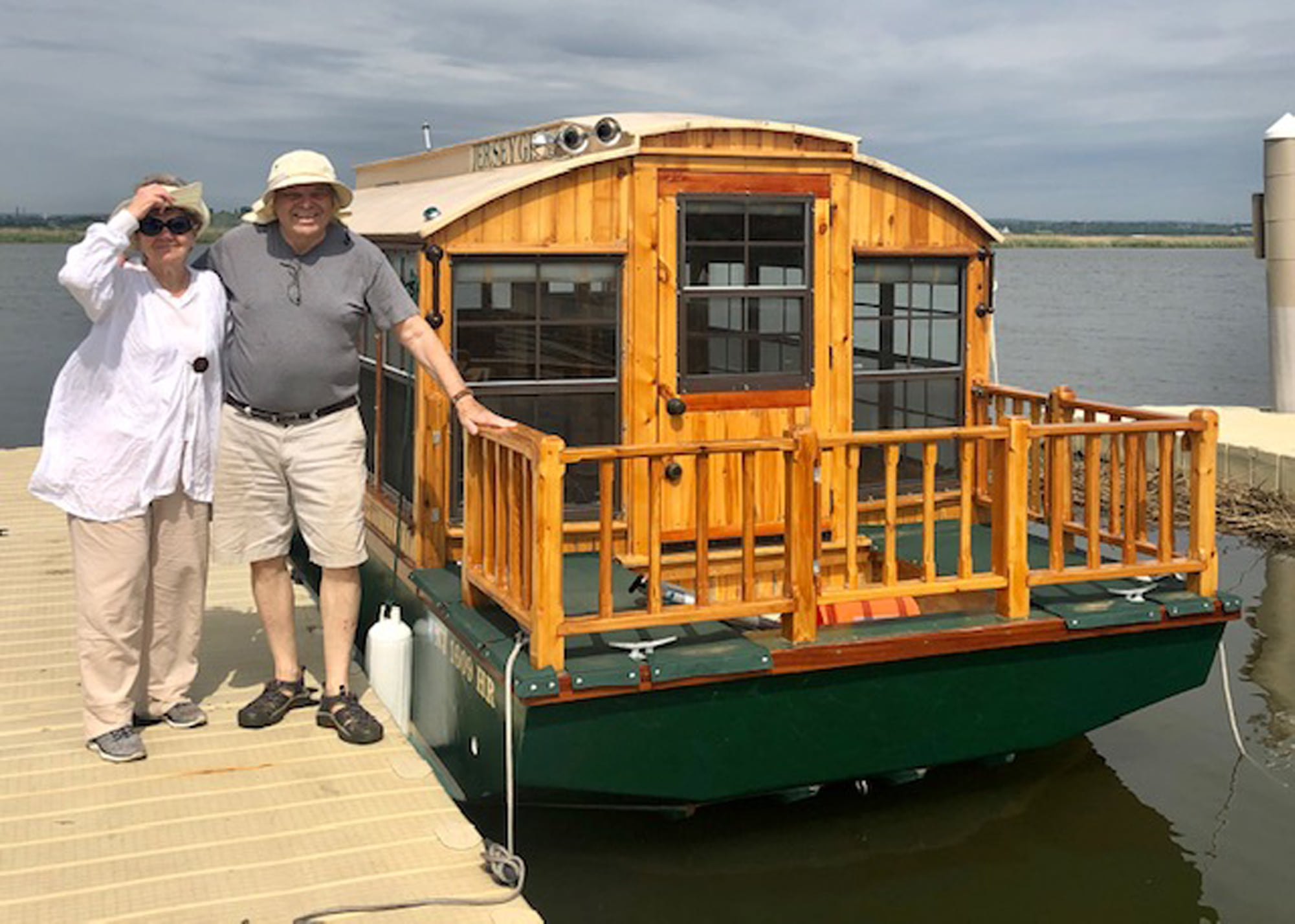
So you're dreaming of a life on the water, cruising along tranquil waterways in your very own houseboat? It's a pretty amazing dream, and it's definitely within reach! Building a houseboat hull might seem daunting, but with careful planning and the right tools, it's a project that can be accomplished by enthusiastic DIYers like you. Let's break it down step-by-step, making it feel less like a mission impossible and more like an exciting adventure.

1. Design and Planning

Before you start cutting wood and welding metal, take some time to dream big, then bring those dreams down to earth with a solid plan.

a. Determine Your Needs

What will your houseboat be used for? Will it be a weekend getaway, a full-time residence, or something in between? The size, layout, and features will vary depending on how you envision using your boat. Think about:

  • Living space: How many rooms do you need? How much room for a kitchen, living room, bedrooms, bathrooms?
  • Amenities: Do you want a deck, a roof garden, a hot tub?
  • Navigation: How will you navigate? Will you use a motor, sails, or both?

b. Choose Your Hull Type

There are several hull types to choose from, each with its own advantages and disadvantages. Here are a few popular options:

  • Pontoon hull: Simple, stable, and relatively inexpensive. Ideal for calm waters and slower speeds.
  • Catamaran hull: Offers greater stability and space, but can be more complex to build.
  • Monocoque hull: Sleek and efficient, but requires more advanced construction techniques.

c. Draw Up a Detailed Plan

Once you've decided on your needs and hull type, it's time to get technical. Create detailed blueprints or sketches that include:

  • Overall dimensions: Length, width, height, draft (depth below the waterline).
  • Hull shape and structure: Frame layout, material choices, thickness, and reinforcement.
  • Deck layout: Placement of rooms, windows, doors, and other features.
  • Systems: Plumbing, electrical, heating, ventilation, and navigation systems.

2. Gathering Materials and Tools

Building a houseboat hull requires a diverse range of materials and tools. Make sure you have everything you need before you get started. You'll need:

  • Wood: The most common material for houseboat hulls. You'll need structural lumber like fir, pine, or spruce, and plywood for sheathing.
  • Metal: For frames, reinforcing beams, and other structural components. Steel, aluminum, and fiberglass are popular choices.
  • Fasteners: Bolts, screws, nails, and other fasteners for securing the various components.
  • Epoxy resin: For bonding wood and metal, filling gaps, and providing water resistance.
  • Fiberglass cloth: For layering over the hull to add strength and waterproof protection.
  • Tools: Saw, drill, sander, grinder, welding equipment (if needed), and measuring tools.

3. Constructing the Hull

Now for the hands-on part! Here's a breakdown of the major steps involved in building a houseboat hull:

a. Framing the Hull

Start by building the frame of your hull according to your plans. This will provide the basic shape and structural support. Use lumber or metal beams, depending on your chosen design.

  • Cut and assemble the frame pieces according to your blueprints.
  • Reinforce corners and other critical points with extra bracing.
  • Ensure all pieces are securely connected using appropriate fasteners.

b. Sheathing the Hull

Once the frame is complete, you'll need to sheathe it with plywood or other suitable material. This provides a smooth surface for the final exterior.

  • Cut and install sheets of plywood over the frame, overlapping the edges for strength.
  • Secure the sheets using screws or nails, ensuring they're flush with the frame.
  • Fill any gaps or seams with epoxy resin and fiberglass cloth.

c. Sealing and Finishing

The final step in hull construction is to seal and finish the exterior. This protects the wood and provides a smooth, water-resistant surface.

  • Apply several layers of epoxy resin and fiberglass cloth to the entire hull, ensuring good coverage and even application.
  • Sand the hull smooth once the epoxy has hardened.
  • Paint the hull with a high-quality marine paint to protect it from the elements.

4. Finishing Touches

With the hull complete, you're ready to start building the rest of your houseboat. This involves adding:

  • Decks and platforms: Create living spaces, decks, and balconies on top of the hull.
  • Superstructure: Add cabins, living areas, and other structures to the deck.
  • Interior fittings: Install walls, floors, ceilings, and fixtures.
  • Systems: Install plumbing, electrical, heating, ventilation, and navigation systems.

5. Launching and Enjoying Your Houseboat

The moment you've been waiting for! Time to launch your houseboat and set sail on your adventures. Be sure to:

  • Inspect the hull thoroughly for any leaks or defects.
  • Test all systems and equipment to ensure they're functioning correctly.
  • Get your houseboat registered and inspected according to local regulations.

And that's it! You've successfully built your own houseboat. Now go forth and enjoy the open waters, creating unforgettable memories on your floating home.

Commonly Asked Questions

Q: How much does it cost to build a houseboat?

A: Building a houseboat can range in cost from a few thousand dollars for a simple pontoon design to tens of thousands or even hundreds of thousands for a more elaborate custom build. The price will depend on the size, features, materials used, and complexity of the design.

Q: How long does it take to build a houseboat?

A: Building a houseboat is a time-consuming project, and the duration can vary significantly. A small, simple design might be completed in a few months, while a larger, more complex houseboat could take several years.

Q: Do I need any special skills or knowledge to build a houseboat?

A: While some basic carpentry and DIY skills are helpful, you don't need to be a professional boat builder. There are many resources available online and in libraries that can provide step-by-step instructions and guidance. You can also seek help from experienced builders or boatyards.

Q: Is it safe to build a houseboat yourself?

A: Building a houseboat can be safe if you follow all the necessary safety precautions and building codes. It's important to use appropriate materials and tools, and to carefully inspect the structure for any defects. You should also consider taking a boating safety course to learn about safe navigation and handling.

Q: What are some of the challenges of building a houseboat?

A: Building a houseboat presents a variety of challenges, including:

  • Finding suitable building space and facilities
  • Sourcing materials and tools
  • Learning complex construction techniques
  • Ensuring the hull is watertight and structurally sound
  • Complying with local building codes and regulations

Share:

Powerboat Plans for Reliable Small Boats for Recreation

Powerboat Plans for Reliable Small Boats for Recreation

Powerboat Plans for Reliable Small Boats for Recreation

So, you're thinking about building your own powerboat. That's awesome! Building your own boat can be a rewarding and fulfilling experience. It allows you to craft a vessel that perfectly fits your needs and desires. Plus, you'll save a bunch of money compared to buying a pre-built one. The only problem is, where do you even start?

Luckily, there are tons of amazing powerboat plans available out there, but it can be overwhelming to find the right ones. That's where this article comes in. We're going to dive deep into the world of powerboat plans, focusing on reliable small boats perfect for recreational use.

Whether you're a seasoned boat builder or just starting out, we've got you covered. We'll explore different types of small powerboats, discuss important factors to consider when choosing plans, and even highlight some reputable sources for finding the perfect set of plans for your project.

Get ready to embark on an exciting journey into the world of DIY powerboat construction!

Types of Small Powerboats

The world of small powerboats is incredibly diverse. You've got speedsters, fishing machines, luxurious cruisers, and everything in between. Here are some of the most popular types of small powerboats for recreational use:

Runabouts

Runabouts are classic open boats with a simple, elegant design. They're known for their speed, maneuverability, and versatility. They're great for waterskiing, tubing, cruising, and even fishing. Runabouts can be found in various sizes, from small, nimble models for two to larger, more comfortable versions that can accommodate a family.

Pontoon Boats

Pontoon boats are all about comfort and stability. Their wide, buoyant pontoons provide exceptional stability, making them perfect for family outings, fishing trips, and relaxing on the water. They're known for their spacious decks, comfortable seating, and often feature a variety of amenities, like biminis for shade and even small kitchens.

Fishing Boats

Fishing boats are specifically designed for, you guessed it, fishing! They usually feature features like livewells, rod holders, and spacious fish boxes to make your angling experience more enjoyable. These boats come in various sizes and designs, from small, nimble skiffs to larger, more stable center consoles.

Dinghies

Dinghies are small, lightweight boats that are perfect for getting around a lake or bay. They're often used as tenders for larger vessels or for exploring shallow waters. They're very easy to transport and store, making them a great option for smaller boaters.

Factors to Consider When Choosing Powerboat Plans

Now that we've looked at different boat types, let's dive into the essential factors to consider when choosing powerboat plans:

Boat Size and Length

The first and foremost consideration is the size of the boat you want to build. Think about how many people you plan to take on board, the types of activities you'll be doing, and where you'll be boating. A small, 12-foot dinghy is perfect for exploring a lake, but you'll need something bigger and sturdier for ocean fishing or cruising with the family.

Hull Design

The hull design is critical to the boat's performance and handling. There are many different hull designs, each with its advantages and disadvantages. Some common hull designs include:

  • Deep V-hull: These hulls are known for their stability, speed, and ability to handle rough water.
  • Modified V-hull: A compromise between speed and stability. It offers a smoother ride than a deep V-hull without sacrificing too much speed.
  • Catamaran hull: These hulls provide incredible stability due to their twin pontoons. They're perfect for open water cruising and fishing.
  • Planing hull: Designed to ride up onto the surface of the water, planing hulls are known for their speed and efficiency.

Materials

The materials used to build your boat are a significant factor. Here are the most common options:

  • Fiberglass: Strong, durable, and lightweight. It's the most popular material for boat construction.
  • Wood: Traditional and beautiful, wood is still used for boat building, but requires more skill and maintenance.
  • Aluminum: Light and corrosion-resistant, but can be expensive and difficult to work with.
  • PVC: An excellent choice for inflatable boats. It's lightweight, durable, and easy to repair.

Power System

The power system is essential for determining your boat's performance and efficiency. Here are the common power systems used in small powerboats:

  • Outboard Motor: A versatile and convenient option, outboard motors can be easily mounted and removed, making them perfect for smaller boats.
  • Inboard/Outboard (Sterndrive): These motors offer more power and efficiency than outboards but require more space and maintenance.
  • Inboard Motor: A powerful and efficient option, but they are more complex to install and maintain.

Budget

It's crucial to set a realistic budget before you start looking for plans. The cost of building a boat can vary dramatically depending on the size, materials, and complexity of the design. Consider the cost of materials, tools, and any specialized labor you might need.

Your Skill Level

Don't overestimate your skills. While some plans are designed for beginners, others are more challenging and require experience in boat building. Be honest with yourself about your capabilities. If you're a novice, start with a simpler design and gradually work your way up to more complex projects.

Where to Find Powerboat Plans

Now that you have a good understanding of what to look for, it's time to find the perfect powerboat plans for your project. There are many reputable sources for finding boat plans:

Online Retailers

Websites like **Boat Plans USA**, **Glen-L Marine Designs**, **Bateau.com**, and **Duckworks Magazine** offer a wide variety of plans for all types of small powerboats.

Boat Building Magazines

Boat building magazines, such as **WoodenBoat**, **Good Old Boat**, and **Boatbuilder**, often feature plans and articles about boat construction.

Local Boatbuilding Clubs

Joining a local boat building club is a great way to connect with experienced builders and get access to plans and resources.

Commonly Asked Questions

Q: How much does it cost to build a powerboat?

The cost of building a boat can range from a few thousand dollars for a small, simple design to tens of thousands for a larger, more complex vessel. It depends on the size, materials, and complexity of the design, as well as your skill level and the cost of labor.

Q: How long does it take to build a powerboat?

The time it takes to build a boat varies significantly. A small, simple boat can be completed in a few months, while a larger, more complex boat can take years to build. It depends on your skill level, the amount of time you can dedicate to the project, and the complexity of the design.

Q: Do I need any special tools to build a powerboat?

You'll need some basic tools to build a boat, such as a saw, drill, sander, and clamps. You might also need specialized tools, such as a router, table saw, or band saw, depending on the complexity of the design and the materials you are using.

Q: Is it legal to build your own boat?

Yes, it is legal to build your own boat in most jurisdictions. However, you may need to obtain permits or register your boat depending on local regulations. Be sure to check with your local authorities to ensure compliance.

Q: What are the benefits of building your own boat?

There are numerous benefits to building your own boat. Here are some of the biggest advantages:

  • Cost Savings: Building your own boat can save you a lot of money compared to buying a pre-built one.
  • Customization: You can design and build a boat that perfectly meets your needs and desires.
  • Pride of Ownership: There's an immense sense of pride and accomplishment that comes with building your own boat.
  • Learning Experience: Boat building is a valuable learning experience that can teach you new skills and knowledge.

We hope this guide has helped you understand the basics of powerboat plans and provided you with the information you need to choose the perfect plans for your project. Now, get out there, start building, and enjoy the amazing journey of creating your own powerboat!

Share:

Powerboat Plans for Multi-Purpose, Functional Wooden Boats

Powerboat Plans for Multi-Purpose, Functional Wooden Boats

Powerboat Plans for Multi-Purpose, Functional Wooden Boats

In the realm of boating, there exists a timeless allure for wooden vessels, their graceful lines and inherent craftsmanship captivating the imagination. For those seeking both practicality and aesthetic appeal, powerboat plans for multi-purpose, functional wooden boats offer a unique and rewarding path to boat ownership. These plans, crafted by experienced designers, provide detailed blueprints for a variety of wooden powerboats, each designed to fulfill specific needs and desires.

The Versatility of Wooden Powerboats

Wooden powerboats possess a versatility that sets them apart. Their inherent strength and durability, combined with the skilled craftsmanship of boat builders, make them suitable for a wide range of activities. From leisurely cruises along scenic waterways to exhilarating fishing expeditions, these boats can effortlessly adapt to diverse purposes.

Multi-Purpose Design

Many powerboat plans cater to multi-purpose designs, incorporating features that enhance functionality and convenience. Open decks provide ample space for fishing, sunbathing, or simply enjoying the view. Cabin models offer sheltered accommodations for overnight trips or extended excursions. Some plans even incorporate innovative designs, such as retractable seating or fold-down transoms, to maximize space and adaptability.

Functional Features

Functionality is a key consideration in these plans. Features like integrated storage compartments, comfortable seating arrangements, and convenient access points ensure that every aspect of the boating experience is optimized. Whether it's storing fishing gear, preparing a meal, or simply relaxing on deck, these boats are designed to make every activity enjoyable.

The Advantages of Wooden Powerboat Plans

Choosing powerboat plans for a wooden boat offers several distinct advantages:

Customization and Personalization

Wooden boats provide a unique opportunity for customization. With skilled craftsmanship and the right plans, you can create a boat that reflects your personal style and preferences. Whether it's selecting specific wood species, modifying the layout, or adding unique features, the possibilities are virtually limitless.

Sustainable and Eco-Friendly

Wooden boats are often considered more sustainable and eco-friendly than their fiberglass counterparts. Wood is a renewable resource, and the construction process often uses less energy and produces fewer emissions. Additionally, wooden boats are biodegradable, reducing their environmental impact at the end of their lifespan.

Timeless Beauty and Elegance

Wooden boats exude a timeless beauty and elegance that is difficult to replicate with other materials. The natural grain patterns of the wood create a unique character, while the craftsmanship involved in building these vessels adds to their aesthetic appeal. These boats are not just functional; they are works of art.

Choosing the Right Plans

With such a wide variety of powerboat plans available, it is crucial to carefully select those that align with your specific needs and preferences. Consider the following factors:

  • Size and Capacity: Determine the size and capacity required for your intended use. Factor in the number of passengers, the amount of gear you need to carry, and the type of waters you'll be navigating.
  • Engine Power and Performance: Choose plans that specify engine power and performance characteristics that meet your desired speed and maneuverability. Consider the weight of the boat and the intended use.
  • Construction and Materials: Understand the materials used and the construction methods outlined in the plans. Choose plans that utilize materials and techniques that align with your skills and resources.
  • Budget and Time Commitment: Factor in the cost of materials, tools, and any professional assistance you may require. Consider your available time and resources for the construction process.

Embark on a Unique Boating Adventure

Powerboat plans for multi-purpose, functional wooden boats offer a gateway to a rewarding and fulfilling boating experience. Whether you're an experienced boat builder or a passionate novice, these plans provide the blueprints to create a vessel that is both aesthetically pleasing and practically adaptable. With meticulous craftsmanship and a commitment to detail, you can bring to life a wooden powerboat that will become a cherished part of your maritime adventures.

Share:

DIY Mini Jet Boat Plans: Start Your High-Speed Adventure

DIY Mini Jet Boat Plans: Start Your High-Speed Adventure

DIY Mini Jet Boat Plans: Start Your High-Speed Adventure

Are you yearning for the thrill of speeding across the water, but the price tag of a jet boat is keeping you grounded? Fear not, adventurous soul! With a little ingenuity, determination, and a healthy dose of DIY spirit, you can build your very own mini jet boat, turning your waterborne dreams into reality. This article will guide you through the exciting journey of crafting your high-speed aquatic masterpiece.

Why Build Your Own?

Building a mini jet boat is more than just a project; it's an adventure in itself. You'll learn valuable skills in engineering, fabrication, and problem-solving. You'll experience the immense satisfaction of seeing your creation come to life, a vessel born from your own hands. And let's not forget the undeniable charm of cruising around in a custom-built boat, a testament to your ingenuity and passion.

The Essentials: Your Mini Jet Boat Toolkit

Before diving into the construction, gather your tools and materials. You'll need:

  • Plans and blueprints: These are your guideposts, ensuring your boat is structurally sound and functional. A well-designed plan will save you time and headaches in the long run.
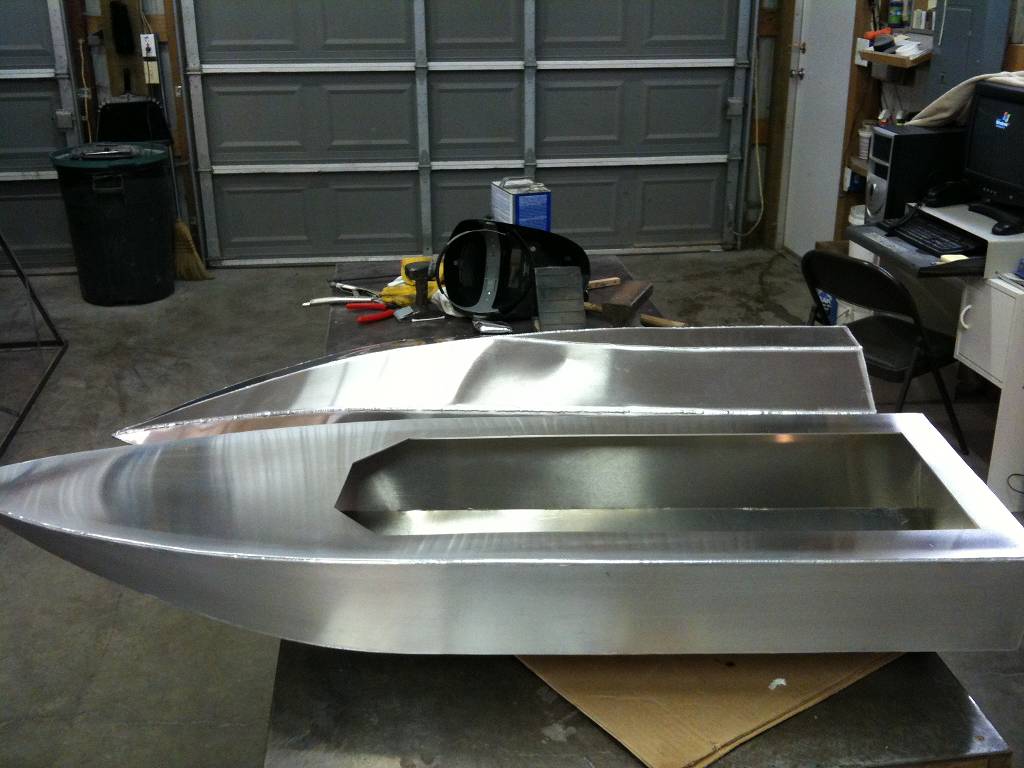
  • Hull: The foundation of your boat. Choose a material that suits your budget and experience level, options include fiberglass, wood, or even repurposed materials.
  • Jet pump: This is the heart of your jet boat. Select a pump with suitable power and thrust for your intended size and weight.
  • Engine: A powerful and reliable engine is crucial for propelling your jet boat. Consider factors like weight, horsepower, and fuel efficiency.
  • Steering system: A well-functioning steering system is essential for navigating your boat.
  • Materials for construction: Depending on your hull material, you'll need wood, fiberglass, resin, epoxy, screws, fasteners, and more.
  • Safety equipment: Always prioritize safety! Include life jackets, a fire extinguisher, flares, and a first aid kit.

Building Your Mini Jet Boat: A Step-by-Step Guide

Now for the exciting part: assembling your mini jet boat. It's a journey filled with challenges and rewards, and here's how to navigate it successfully:

1. Laying the Foundation: The Hull

The hull is the backbone of your boat, so take your time here. If you're working with fiberglass, carefully mold and shape it according to your plans. If you're using wood, ensure the planks are properly joined, sealed, and strengthened for water resistance.

2. Powering Up: Installing the Engine and Jet Pump

Securely mount the engine to the hull, ensuring it's aligned and balanced. Attach the jet pump to the transom, paying attention to the angles and alignment. Connect the engine to the pump using appropriate drive shafts and couplers.

3. The Steering System: Taking Control

Choose a steering system that suits your design and experience level. It could involve a traditional tiller or a more sophisticated hydraulic system. Connect the steering to the jet pump's nozzle for precise maneuvering.

4. Finishing Touches: Adding the Extras

Once the core components are in place, focus on the finishing touches. Install seats, deck hatches, fuel tanks, and any other accessories that enhance your boating experience.

5. The Final Test: A Triumphant Launch

With your mini jet boat complete, it's time for the moment of truth. Launch it into the water, ensuring a safe environment for your test run. Make adjustments as needed, and enjoy the thrill of your creation cutting through the waves.

Safety First, Always

Never underestimate the power of water or the importance of safety. Always wear a life jacket, check the weather conditions, and be mindful of your surroundings. If you're new to boating, consider taking a boating safety course to enhance your knowledge and skills.

Beyond the Build: Enjoying Your Mini Jet Boat

Congratulations! You've built your very own mini jet boat. Now it's time to explore the world of high-speed aquatic adventures. From leisurely cruises to adrenaline-pumping rides, your custom-built boat will be your trusty companion on the water.

Remember, building a mini jet boat is a journey filled with challenges and triumphs. Embrace the learning process, enjoy the satisfaction of creating something with your own hands, and above all, prioritize safety. The thrill of racing across the water in your very own mini jet boat is a reward worth every effort.

Share:

Wooden Canoe Plans for Custom Builds and Personalization

Wooden Canoe Plans for Custom Builds and Personalization

Wooden Canoe Plans for Custom Builds and Personalization

The allure of crafting a wooden canoe from scratch is undeniable. It's a journey into the rich history of boatbuilding, a chance to connect with nature's raw materials, and an opportunity to create a truly personalized vessel. This article will explore the world of wooden canoe plans, their benefits, and the possibilities they offer for custom builds and personalization.

Understanding the Importance of Canoe Plans

Wooden canoe plans are essential blueprints for constructing a sound and functional watercraft. They provide detailed instructions, dimensions, and drawings that guide you through every step of the process. Good plans are a valuable investment, offering:

  • Accurate Design: Plans ensure the canoe's stability, buoyancy, and overall performance.
  • Material Specificity: They indicate the type and quantity of wood, hardware, and other materials needed.
  • Construction Guidance: Plans outline the construction process, from framing to planking to finishing.
  • Troubleshooting Support: They provide valuable insights for addressing potential challenges during the build.

Types of Canoe Plans

The world of canoe plans offers a diverse range of options catering to different skill levels, design preferences, and intended use. Here's a glimpse into some common types:

Traditional Designs:

These plans draw inspiration from classic canoe styles, often featuring elegant curves, thin planking, and a focus on aesthetic appeal. Popular traditional designs include:

  • Canadian Canoe: Known for its sleek lines, lightweight construction, and exceptional paddling efficiency.
  • Prospector Canoe: A larger, more rugged design, ideal for hauling gear on extended trips.
  • Birchbark Canoe: A traditional design crafted using birchbark, offering a unique and historical experience.

Modern Designs:

These plans incorporate modern techniques and materials to achieve enhanced performance, durability, and comfort. Some examples include:

  • Kevlar-Reinforced Canoes: Featuring kevlar strips for increased strength and impact resistance.
  • Carbon Fiber Canoes: Utilizing carbon fiber for ultra-light construction and superior performance.
  • Hybrid Designs: Combining traditional construction with modern materials for a balance of classic aesthetics and contemporary features.

Custom Designs:

Many plan providers offer the option of customizing a design. This allows you to adjust dimensions, modify features, and tailor the canoe to your specific needs and preferences.

Benefits of Building from Plans

Building a wooden canoe from plans offers a unique and rewarding experience. Here are some key benefits:

  • Personalization: You have complete control over every aspect of the canoe, from its shape and size to its finish and features.
  • Craftmanship: Building a canoe involves working with wood, mastering traditional techniques, and developing a deep appreciation for the craft.
  • Pride of Ownership: The feeling of accomplishment from building your own canoe is unparalleled.
  • Cost Savings: While the initial materials may require an investment, building a canoe can save money compared to purchasing a factory-made boat.
  • Connection with Nature: You'll gain a greater appreciation for the materials and processes involved in boatbuilding, fostering a deeper connection with nature.

Personalizing Your Canoe

The possibilities for personalization are endless when building a wooden canoe. Here are some key areas for customization:

Design Features:

  • Length and Beam: Determine the size that best suits your needs and intended use.
  • Shape and Lines: Choose a hull design that optimizes performance and handling.
  • Seat and Deck Configurations: Customize seating arrangements and deck layouts for comfort and practicality.
  • Features: Add storage compartments, gunwales, carrying handles, and other features based on your preferences.

Materials:

  • Wood Species: Experiment with different wood types for aesthetics, strength, and durability.
  • Finishing Techniques: Explore various varnish and paint finishes to enhance the canoe's appearance and protection.
  • Hardware: Select hardware components, such as oarlocks, seats, and carrying handles, that meet your specific requirements.

Aesthetic Considerations:

  • Color and Finish: Choose a paint scheme or varnish that reflects your personal style and complements the canoe's design.
  • Woodgrain: Highlight the natural beauty of the wood through proper sanding and finishing techniques.
  • Decorative Elements: Inlay decorative elements, such as wood strips, carvings, or painted designs, to add a unique touch.

Resources for Canoe Plans

Numerous sources provide access to high-quality canoe plans. Here are a few reputable options:

  • Bookstores and Online Retailers: Search for books specializing in wooden canoe construction.
  • Boatbuilding Supply Stores: Many stores offer a selection of canoe plans along with other supplies.
  • Online Plan Providers: Websites dedicated to boat plans often offer a wide range of canoe designs.
  • Canoe Clubs and Associations: Local canoe clubs may provide resources or recommendations for plan providers.

Conclusion

Building a wooden canoe from plans is an enriching journey that combines tradition, craftmanship, and personalization. It's an opportunity to create a truly unique vessel that reflects your individual preferences and embodies the spirit of adventure. With the right plans, the guidance of experienced builders, and a passion for the craft, your dream wooden canoe can become a reality.

Share:

Customizable Wooden Sailboat Plans for Unique Builds

Customizable Wooden Sailboat Plans for Unique Builds

Customizable Wooden Sailboat Plans for Unique Builds

Are you dreaming of a unique, handcrafted sailboat that reflects your individual style and sailing aspirations? Look no further than customizable wooden sailboat plans! These plans empower you to build a vessel that perfectly matches your vision, from its hull design to its rigging and sail configuration. This article will guide you through the exciting world of customizable wooden sailboat plans, exploring the benefits, the design process, and the resources available to help you realize your dream of owning a truly personalized sailboat.

The Allure of Customizable Wooden Sailboat Plans

There's an undeniable magic in building a wooden sailboat. The process itself is an adventure, connecting you with the rich maritime tradition of handcrafted craftsmanship. With customizable plans, you go beyond simply constructing a boat; you become a true shipwright, shaping your vessel with each cut and join.

Benefits of Customizable Plans:

  • Unique Design: Craft a sailboat that reflects your personality and sailing preferences, from its size and shape to its features and amenities.
  • Personalization: Choose the wood species, finishes, and rigging to create a truly unique vessel that stands out from the crowd.
  • Cost Savings: Building your own sailboat can be significantly more affordable than purchasing a pre-built vessel, especially when customizing a design to fit your budget.
  • Learning Experience: The process of building a wooden sailboat provides invaluable hands-on experience in woodworking, boatbuilding, and naval architecture.
  • Sense of Accomplishment: The pride of owning and sailing a boat you built from the ground up is a rewarding experience unlike any other.

Exploring the Design Process

Customizable wooden sailboat plans offer a range of options, allowing you to tailor the design to your exact specifications. Here's a breakdown of the design process:

1. Define Your Vision:

Start by clearly visualizing your dream sailboat. Consider the following factors:

  • Size: How many people will you be sailing with? What kind of waters will you navigate?
  • Type: Do you prefer a classic design like a sloop or a more modern catamaran?
  • Performance: Will you be racing or cruising? Do you prioritize speed or comfort?
  • Features: Think about amenities such as a galley, sleeping quarters, and any specialized equipment you need.

2. Choose a Base Plan:

Many reputable plan providers offer a wide selection of base plans. You can start with a design that closely aligns with your vision and then customize it further.

3. Collaborate with the Designer:

Experienced plan designers are valuable collaborators in this process. They can help you refine your vision, advise on structural integrity, and ensure your design meets your needs.

4. Personalize the Design:

Once you have a base plan, you can personalize it by making modifications such as:

  • Hull Form: Adjust the length, beam, and draft to optimize for your intended waters and sailing style.
  • Deck Layout: Customize the cockpit, seating, and other deck features to match your preferences.
  • Rigging: Select a sail plan that suits your sailing goals and experience level.

Resources for Customizable Wooden Sailboat Plans

There are numerous resources available for acquiring customizable wooden sailboat plans. Here are some popular options:

  • Plan Providers: Several companies specialize in creating and selling customizable sailboat plans. These providers often offer a range of designs, from small dinghies to larger cruising vessels.
  • Boatbuilding Associations: Organizations like the American Boat and Yacht Council (ABYC) and the Wooden Boat Society offer valuable resources, including plans, design guidance, and access to experienced boatbuilders.
  • Online Forums and Communities: Join online forums and communities where boatbuilders share knowledge, discuss plans, and offer support to fellow enthusiasts.

Embark on Your Custom Sailboat Adventure

The journey of building a customized wooden sailboat is an enriching experience. It combines the artistry of woodworking with the thrill of naval architecture. By carefully planning, collaborating with a designer, and leveraging the resources available, you can turn your dream of owning a unique and personalized sailboat into a reality.

Share: