
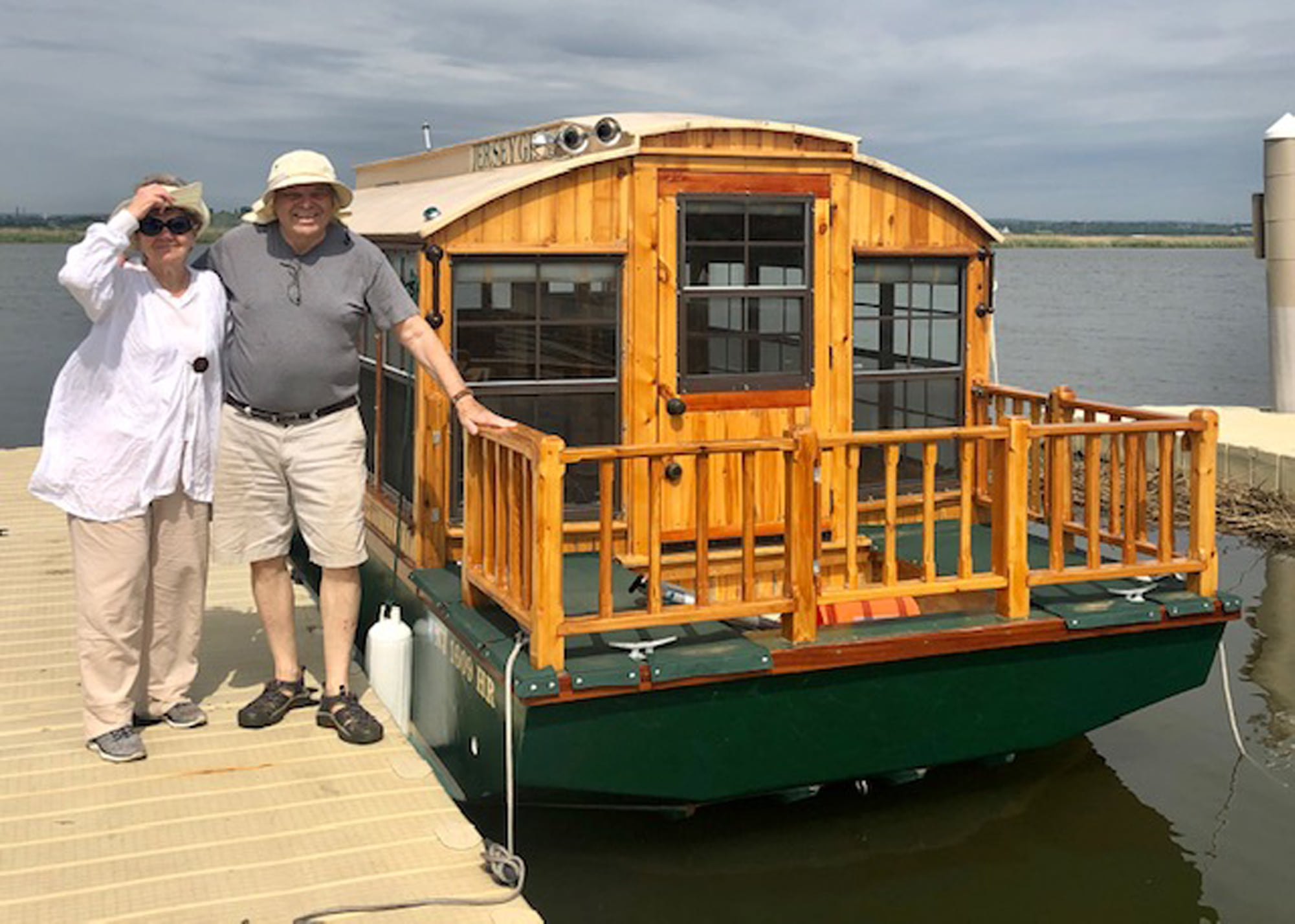
Building a Houseboat Hull: A Step-by-Step Guide
So you're dreaming of a life on the water, cruising along tranquil waterways in your very own houseboat? It's a pretty amazing dream, and it's definitely within reach! Building a houseboat hull might seem daunting, but with careful planning and the right tools, it's a project that can be accomplished by enthusiastic DIYers like you. Let's break it down step-by-step, making it feel less like a mission impossible and more like an exciting adventure.
1. Design and Planning
Before you start cutting wood and welding metal, take some time to dream big, then bring those dreams down to earth with a solid plan.
a. Determine Your Needs
What will your houseboat be used for? Will it be a weekend getaway, a full-time residence, or something in between? The size, layout, and features will vary depending on how you envision using your boat. Think about:
- Living space: How many rooms do you need? How much room for a kitchen, living room, bedrooms, bathrooms?
- Amenities: Do you want a deck, a roof garden, a hot tub?
- Navigation: How will you navigate? Will you use a motor, sails, or both?
b. Choose Your Hull Type
There are several hull types to choose from, each with its own advantages and disadvantages. Here are a few popular options:
- Pontoon hull: Simple, stable, and relatively inexpensive. Ideal for calm waters and slower speeds.
- Catamaran hull: Offers greater stability and space, but can be more complex to build.
- Monocoque hull: Sleek and efficient, but requires more advanced construction techniques.
c. Draw Up a Detailed Plan
Once you've decided on your needs and hull type, it's time to get technical. Create detailed blueprints or sketches that include:
- Overall dimensions: Length, width, height, draft (depth below the waterline).
- Hull shape and structure: Frame layout, material choices, thickness, and reinforcement.
- Deck layout: Placement of rooms, windows, doors, and other features.
- Systems: Plumbing, electrical, heating, ventilation, and navigation systems.
2. Gathering Materials and Tools
Building a houseboat hull requires a diverse range of materials and tools. Make sure you have everything you need before you get started. You'll need:
- Wood: The most common material for houseboat hulls. You'll need structural lumber like fir, pine, or spruce, and plywood for sheathing.
- Metal: For frames, reinforcing beams, and other structural components. Steel, aluminum, and fiberglass are popular choices.
- Fasteners: Bolts, screws, nails, and other fasteners for securing the various components.
- Epoxy resin: For bonding wood and metal, filling gaps, and providing water resistance.
- Fiberglass cloth: For layering over the hull to add strength and waterproof protection.
- Tools: Saw, drill, sander, grinder, welding equipment (if needed), and measuring tools.
3. Constructing the Hull
Now for the hands-on part! Here's a breakdown of the major steps involved in building a houseboat hull:
a. Framing the Hull
Start by building the frame of your hull according to your plans. This will provide the basic shape and structural support. Use lumber or metal beams, depending on your chosen design.
- Cut and assemble the frame pieces according to your blueprints.
- Reinforce corners and other critical points with extra bracing.
- Ensure all pieces are securely connected using appropriate fasteners.
b. Sheathing the Hull
Once the frame is complete, you'll need to sheathe it with plywood or other suitable material. This provides a smooth surface for the final exterior.
- Cut and install sheets of plywood over the frame, overlapping the edges for strength.
- Secure the sheets using screws or nails, ensuring they're flush with the frame.
- Fill any gaps or seams with epoxy resin and fiberglass cloth.
c. Sealing and Finishing
The final step in hull construction is to seal and finish the exterior. This protects the wood and provides a smooth, water-resistant surface.
- Apply several layers of epoxy resin and fiberglass cloth to the entire hull, ensuring good coverage and even application.
- Sand the hull smooth once the epoxy has hardened.
- Paint the hull with a high-quality marine paint to protect it from the elements.
4. Finishing Touches
With the hull complete, you're ready to start building the rest of your houseboat. This involves adding:
- Decks and platforms: Create living spaces, decks, and balconies on top of the hull.
- Superstructure: Add cabins, living areas, and other structures to the deck.
- Interior fittings: Install walls, floors, ceilings, and fixtures.
- Systems: Install plumbing, electrical, heating, ventilation, and navigation systems.
5. Launching and Enjoying Your Houseboat
The moment you've been waiting for! Time to launch your houseboat and set sail on your adventures. Be sure to:
- Inspect the hull thoroughly for any leaks or defects.
- Test all systems and equipment to ensure they're functioning correctly.
- Get your houseboat registered and inspected according to local regulations.
And that's it! You've successfully built your own houseboat. Now go forth and enjoy the open waters, creating unforgettable memories on your floating home.
Commonly Asked Questions
Q: How much does it cost to build a houseboat?
A: Building a houseboat can range in cost from a few thousand dollars for a simple pontoon design to tens of thousands or even hundreds of thousands for a more elaborate custom build. The price will depend on the size, features, materials used, and complexity of the design.
Q: How long does it take to build a houseboat?
A: Building a houseboat is a time-consuming project, and the duration can vary significantly. A small, simple design might be completed in a few months, while a larger, more complex houseboat could take several years.
Q: Do I need any special skills or knowledge to build a houseboat?
A: While some basic carpentry and DIY skills are helpful, you don't need to be a professional boat builder. There are many resources available online and in libraries that can provide step-by-step instructions and guidance. You can also seek help from experienced builders or boatyards.
Q: Is it safe to build a houseboat yourself?
A: Building a houseboat can be safe if you follow all the necessary safety precautions and building codes. It's important to use appropriate materials and tools, and to carefully inspect the structure for any defects. You should also consider taking a boating safety course to learn about safe navigation and handling.
Q: What are some of the challenges of building a houseboat?
A: Building a houseboat presents a variety of challenges, including:
- Finding suitable building space and facilities
- Sourcing materials and tools
- Learning complex construction techniques
- Ensuring the hull is watertight and structurally sound
- Complying with local building codes and regulations
0 comments:
Post a Comment
Note: Only a member of this blog may post a comment.