Friday, November 22, 2024

Wood Boat Plans for First-Time Builders: What You Need to Know

Wood Boat Plans for First-Time Builders: What You Need to Know

Wood Boat Plans for First-Time Builders: What You Need to Know

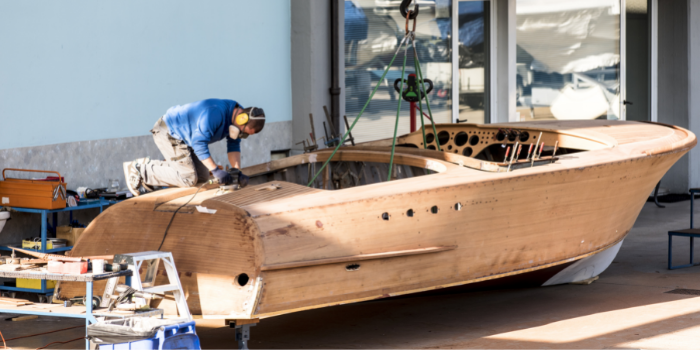
Building a wooden boat is a challenging but rewarding project. It's a journey that takes you through the intricacies of woodworking, design, and craftsmanship, culminating in a unique and personal creation. While it might seem daunting, with careful planning, dedication, and the right resources, even first-time builders can embark on this fulfilling endeavor.

Choosing the Right Boat Plans

The first step in building a wooden boat is selecting the right plans. There are numerous boat plans available, catering to various levels of experience, boat types, and skillsets. It's crucial to choose plans that are appropriate for a beginner, offering clear instructions, detailed drawings, and a manageable scope.

Consider These Factors When Choosing Plans:

  • Experience Level: Look for plans specifically designed for first-time builders, often labeled as "beginner-friendly."
  • Boat Type: Start with simpler designs like rowboats, dinghies, or small canoes. Avoid complex multi-hulled boats or intricate sailboats for your initial project.
  • Size and Complexity: Smaller boats require less material and are easier to manage. Choose plans with straightforward construction techniques and limited intricate details.
  • Availability of Materials: Ensure the materials specified in the plans are readily available in your area. Consider alternative materials if necessary.

Essential Tools and Equipment

Building a wooden boat requires a range of tools and equipment. While some tools may be borrowed or rented, certain essentials should be considered for a smooth building process.

Essential Tools:

  • Hand Tools: Hand saws, chisels, planes, hammers, screwdrivers, measuring tapes, squares, and marking tools are essential for precise cutting, shaping, and assembling.
  • Power Tools: A drill, a jigsaw, and a belt sander are highly recommended for efficient cutting, drilling, and finishing. Consider a router for intricate details.
  • Clamps: Various sizes and types of clamps are crucial for holding pieces together during assembly and ensuring accurate joints.
  • Workbenches and Stands: Stable workbenches and stands provide a secure platform for working on your boat and storing tools.
  • Safety Gear: Eye protection, gloves, hearing protection, and a dust mask are essential for a safe working environment.

Understanding the Construction Process

Building a wooden boat follows a structured process involving several key steps.

Key Stages:

  • Planning and Preparation: Review the plans thoroughly, gather materials, and set up your workspace. Ensure you have a clear understanding of the project.
  • Cutting and Shaping: Accurately cut and shape the wooden components using the chosen tools. Pay close attention to dimensions and angles for precise fit.
  • Assembling the Hull: Assemble the boat's hull, joining the planks and ribs according to the plans. Use appropriate adhesives, screws, or fasteners. Ensure a watertight hull.
  • Adding Decks and Superstructure: Build the deck and other superstructure components, integrating them with the hull. Create a stable and functional structure.
  • Finishing and Painting: Sand, prime, and paint the boat to your desired finish. Apply appropriate coatings for protection and aesthetics.
  • Fitting Out: Install essential components like seats, oars, or a sail. Ensure all necessary equipment is properly installed.

Learning from Experienced Builders

While boat plans offer valuable guidance, learning from experienced boat builders is invaluable. There's no substitute for firsthand knowledge and practical tips.

Seek Guidance From:

  • Local Boat Clubs and Organizations: Many boating communities have active clubs where you can find experienced members willing to share their knowledge and offer advice.
  • Boat Building Workshops: Enroll in boat building workshops or courses offered by woodworking schools or community colleges. These hands-on learning experiences provide practical skills and mentorship.
  • Online Forums and Communities: Connect with fellow boat builders on online forums and communities, where you can exchange ideas, ask questions, and learn from shared experiences.

Patience and Perseverance

Building a wooden boat is a time-consuming and demanding endeavor. It requires patience, perseverance, and a commitment to learning new skills. Mistakes will inevitably happen, but with each challenge, you'll gain valuable experience and develop your boat building skills.

Embrace the Process:

  • Set Realistic Expectations: Building a boat takes time. Don't rush the process; allow yourself ample time for each stage.
  • Celebrate Milestones: Acknowledge your progress and celebrate each milestone achieved, big or small. It's a rewarding journey.
  • Learn from Mistakes: Mistakes are inevitable. View them as learning opportunities and use them to improve your technique.

The Joy of Building Your Own Boat

Building a wooden boat is more than just a construction project; it's a journey of discovery, craftsmanship, and personal accomplishment. The process challenges you to think creatively, develop your skills, and create a unique and beautiful piece of maritime history.

Share:

Thursday, November 21, 2024

How to Build a Yacht with Simple, Affordable Materials

How to Build a Yacht with Simple, Affordable Materials

Building a Yacht with Simple, Affordable Materials: A Dream Come True?

The allure of owning a yacht, gliding across the shimmering waters, is a dream shared by many. However, the thought of exorbitant costs often puts this dream out of reach. What if we told you that building your own yacht, with simple and affordable materials, is within your grasp? While not a straightforward endeavor, this article will guide you through the process, demystifying the complexities and offering practical advice.

Understanding the Challenges

Before we delve into the specifics, it's important to acknowledge the inherent difficulties. Building a yacht requires a blend of technical expertise, meticulous planning, and unwavering dedication. You'll need to navigate the complexities of marine design, materials, and construction. Moreover, the regulatory landscape for boat building can be intricate, and safety should always be paramount.

Planning Your Yacht

The journey begins with a clear vision. Determine the size, style, and functionality of your dream yacht. Research different hull designs and consider your budget. Online forums can be valuable resources for inspiration and guidance. Once you have a solid design concept, create detailed plans and sketches. This crucial step will serve as your blueprint during the construction phase.

Choosing the Right Materials

The choice of materials directly impacts the affordability and durability of your yacht. While traditional yacht construction involves expensive materials like fiberglass and mahogany, exploring alternative options can significantly reduce costs. Consider using:

  • Plywood: A versatile and readily available material that can be used for the hull and superstructure. Choose marine-grade plywood, treated for moisture resistance.
  • Epoxy Resin: A durable adhesive and sealant that strengthens and waterproofs your boat.
  • Recycled Materials: Get creative with repurposing materials like used plastic bottles, recycled wood, and even old sails to reduce costs and contribute to a sustainable build.

Constructing the Hull

The hull is the foundation of your yacht. Begin by building a strong framework using treated lumber or metal beams. You can then attach plywood sheets to this framework, forming the outer shell. Use epoxy resin to bond the layers and create a watertight seal. Remember, precision and accuracy are crucial for a successful hull construction.

Building the Superstructure

The superstructure houses the living quarters, galley, and other amenities. Utilize similar techniques as in the hull construction, shaping the desired features using plywood and epoxy. You can install windows and hatches for natural light and ventilation. Ensure the superstructure is properly connected to the hull for a seamless integration.

Adding the Finishing Touches

Once the basic structure is complete, it's time to add the finishing touches. This includes sanding and painting the exterior, installing plumbing, electrical systems, and fixtures. Remember, safety should always be a priority. Install essential safety equipment such as life jackets, flares, and a fire extinguisher.

Navigating the Regulatory Maze

Building a yacht involves compliance with various regulations. Research and understand the necessary permits, inspections, and certifications required in your location. This may involve contacting the relevant authorities or engaging a marine surveyor for guidance. Ensure your boat meets all safety and environmental standards for safe and legal operation.

A Long Journey of Fulfillment

Building a yacht is not a quick or easy task. It demands time, commitment, and a willingness to learn. However, the rewards of a self-built yacht are immense. The pride of creating your dream vessel from scratch, the joy of exploring the waters on your own creation, and the lasting satisfaction of a unique accomplishment are immeasurable.

Remember, embarking on this journey requires careful planning, meticulous execution, and a healthy dose of passion. While building a yacht with affordable materials may present challenges, the final result can be a fulfilling and rewarding experience, creating a legacy of craftsmanship and adventure.

Share:

Wednesday, November 20, 2024

The Best Aluminum Boat Kits for DIY Builders

The Best Aluminum Boat Kits for DIY Builders

The Best Aluminum Boat Kits for DIY Builders: A Comprehensive Guide

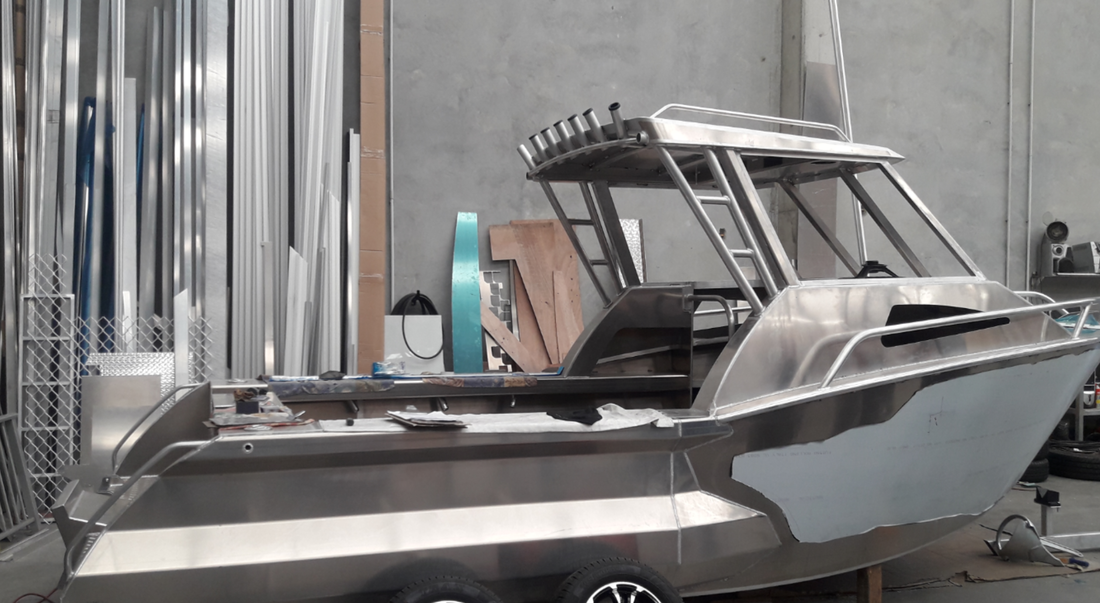
Building your own boat is a rewarding experience, offering a sense of accomplishment and the pride of crafting a vessel tailored to your needs. Aluminum boat kits provide a fantastic starting point for DIY boat builders, offering a durable, lightweight, and relatively easy-to-work-with material. With a wide array of kits available, choosing the right one can feel overwhelming. This guide will equip you with the knowledge to select the perfect aluminum boat kit for your next project.

Factors to Consider Before Choosing an Aluminum Boat Kit

Before diving into the world of aluminum boat kits, consider the following factors:

Your Experience Level

Are you a seasoned boat builder or a novice looking to embark on your first project? Kits vary in complexity, with some designed for experienced builders and others catering to beginners. Choose a kit that aligns with your skills and comfort level.

Intended Use

What will you use your boat for? Fishing, cruising, or transporting cargo? The intended use will influence the size, design, and features you require. Determine the boat's size, the number of passengers it should accommodate, and any specific features you desire, such as a livewell or a casting platform.

Budget

Aluminum boat kits vary in price, ranging from affordable options to premium models. Consider your budget and choose a kit that offers the best value for your needs. Remember to factor in the cost of tools, materials, and any additional components beyond the kit itself.

Top Aluminum Boat Kits for DIY Builders

Here are some highly regarded aluminum boat kits, each catering to specific needs and skill levels.

Project Boat Aluminum Boat Kits

Project Boat offers a wide range of aluminum boat kits, known for their quality materials and detailed instructions. Their kits are designed for both beginners and experienced builders, providing a range of sizes and designs to choose from. Some popular Project Boat kits include:

  • Project Boat 14-Foot Jon Boat Kit: This kit is an excellent starting point for beginners, offering a durable and versatile jon boat design.
  • Project Boat 16-Foot Fishing Boat Kit: Designed for fishing enthusiasts, this kit features a spacious layout and multiple fishing rod holders.
  • Project Boat 18-Foot Aluminum Pontoon Kit: This kit is perfect for leisurely cruising and entertaining, offering a spacious pontoon design with customizable options.

Weldcraft Aluminum Boat Kits

Weldcraft is renowned for its premium aluminum boat kits, designed for experienced builders seeking high-quality components and meticulous craftsmanship. Their kits emphasize durability, performance, and customization options. Some notable Weldcraft kits include:

  • Weldcraft 16-Foot Aluminum V-Hull Boat Kit: This kit is ideal for serious anglers or those seeking a boat for coastal cruising.
  • Weldcraft 18-Foot Aluminum Deck Boat Kit: This kit offers a spacious deck for entertaining and cruising, with a range of customization possibilities.
  • Weldcraft 20-Foot Aluminum Pontoon Kit: This kit is perfect for larger groups and those desiring a luxurious pontoon experience.

Other Reputable Aluminum Boat Kit Manufacturers

Besides Project Boat and Weldcraft, other manufacturers offer high-quality aluminum boat kits, including:

  • Duracraft
  • Aluminum Boat Kits
  • Crestliner
  • Lund

Tips for Building Your Aluminum Boat

Building your own aluminum boat is a rewarding process, but it's important to approach it with careful planning and execution. Here are some tips for success:

  • Read the instructions thoroughly: Familiarize yourself with the kit's assembly steps before starting.
  • Gather the necessary tools: Ensure you have all the tools listed in the instructions, including a welding machine, measuring tools, and safety gear.
  • Work in a well-ventilated area: Aluminum welding produces fumes, so working in a well-ventilated area is crucial.
  • Take your time and be meticulous: Accuracy and precision are essential for a well-constructed boat.
  • Seek help when needed: Don't hesitate to ask for assistance from experienced boat builders or a qualified welding professional.

Conclusion

Building your own aluminum boat is a rewarding and fulfilling experience. By carefully considering your needs, choosing a reputable kit, and following the instructions diligently, you can craft a durable, reliable, and customized boat that meets your specific requirements. Enjoy the process and the satisfaction of creating your own vessel!

Share:

Wood Boat Plans with Material Lists: What You Need to Know

Wood Boat Plans with Material Lists: What You Need to Know

Wood Boat Plans with Material Lists: What You Need to Know

Building a wooden boat is a challenging and rewarding project that can be enjoyed by anyone with a passion for woodworking and the open water. It's a journey that combines technical skills with creative vision, allowing you to craft a unique vessel that reflects your own design and craftsmanship. To embark on this exciting adventure, you'll need a set of comprehensive wood boat plans with detailed material lists, providing you with a roadmap to success.

Wood boat plans are more than just blueprints; they are a comprehensive guide that will help you navigate every step of the boatbuilding process. They outline the boat's overall design, dimensions, and construction techniques, ensuring that you build a structurally sound and aesthetically pleasing vessel.

This guide will delve into the essential aspects of wood boat plans with material lists, equipping you with the knowledge you need to confidently begin your boatbuilding journey.

Types of Wood Boat Plans

Before diving into the specifics of wood boat plans, it's crucial to understand the different types available. Each type caters to varying skill levels and boatbuilding goals:

Beginner-Friendly Plans

These plans are specifically designed for novice boatbuilders. They typically feature simpler designs, such as small dinghies, kayaks, or rowboats, with straightforward construction techniques and detailed instructions. These plans often include detailed illustrations, step-by-step guides, and readily available materials, making the building process more manageable for beginners.

Intermediate Plans

Intermediate plans offer a step up in complexity, featuring designs like small sailboats, larger dinghies, or even small powerboats. They require a more advanced understanding of boatbuilding techniques, including working with different types of wood, using specialized tools, and assembling more intricate structures.

Advanced Plans

Advanced plans cater to experienced boatbuilders with a deep understanding of boat design and construction. They feature complex designs, such as larger sailboats, cruisers, or even custom-built wooden boats. These plans often require specialized knowledge, advanced woodworking skills, and access to a well-equipped workshop.

Key Components of Wood Boat Plans with Material Lists

Wood boat plans typically include the following essential components, ensuring you have all the information you need to build your boat:

Boat Design and Dimensions

This section outlines the boat's overall design, including the hull shape, deck layout, and essential dimensions, such as length, beam, draft, and freeboard. The plans will usually include detailed drawings, both in plan view and elevation, providing a clear visual representation of the boat's form.

Construction Drawings and Instructions

This is the heart of the plans. They provide detailed instructions on building the boat, including frame construction, planking, decking, and finishing. The plans may include both drawings and written instructions, ensuring clarity and ease of understanding for the builder.

Material Lists

A comprehensive material list is crucial for successful boatbuilding. It includes the specific types and quantities of materials required, such as different types of wood, fasteners, hardware, and adhesives. Having a detailed material list ensures you have all the necessary supplies on hand, avoiding delays and potential frustration during the building process.

Construction Techniques

The plans will explain specific construction techniques, such as frame construction, planking methods, and joinery. This information helps you understand the best practices for building a strong and durable hull.

Technical Specifications

The plans may also include technical specifications related to the boat's design, such as the hull's displacement, stability calculations, and recommended sail plan (for sailboats). These specifications provide important insights into the boat's performance and handling characteristics.

Benefits of Using Wood Boat Plans with Material Lists

Utilizing comprehensive wood boat plans with material lists offers numerous advantages for both novice and experienced boatbuilders:

  • Reduced Risk of Errors: The detailed instructions and drawings minimize the risk of errors, ensuring a structurally sound and aesthetically pleasing boat.
  • Time Efficiency: Having a clear plan helps you stay organized, avoid unnecessary steps, and complete the project more efficiently.
  • Confidence and Success: Knowing that you have a reliable roadmap to follow instills confidence and increases your likelihood of successfully completing the project.
  • Accurate Material Procurement: The material list ensures you purchase the exact materials you need, avoiding waste and unnecessary expenses.
  • Improved Craftsmanship: Following proven construction techniques outlined in the plans helps you develop your boatbuilding skills and create a higher-quality vessel.
  • Where to Find Wood Boat Plans with Material Lists

    There are several sources for finding quality wood boat plans with material lists:

  • Online Retailers: Websites like Glen-L Marine Designs, Bateau.com, and Chesapeake Light Craft offer a wide selection of plans for various boat types, from small dinghies to larger sailboats.
  • Boatbuilding Publications: Magazines like WoodenBoat, Small Boats, and The Rudder regularly feature articles and plans for wooden boats.
  • Boatbuilding Clubs and Associations: Local boatbuilding clubs and associations often have libraries of plans and resources available to members.
  • Individual Designers: Many independent boat designers offer custom plans or pre-designed plans for specific types of boats.
  • Tips for Choosing the Right Wood Boat Plans

    Selecting the right wood boat plans is crucial for a successful project. Here are some tips to help you make the best choice:

  • Consider Your Skill Level: Choose plans that match your experience and comfort level. Don't be afraid to start with a simpler design if you're a beginner.
  • Define Your Goals: Determine the purpose of your boat, whether it's for recreational use, racing, or specific watersports. Choose plans that align with your intended use.
  • Evaluate the Plans: Carefully review the plans, looking for clear drawings, detailed instructions, and comprehensive material lists. Look for reviews or testimonials from previous builders to gauge the quality of the plans.
  • Consider the Cost: Budget for the cost of materials, tools, and any additional expenses associated with the project. Factor in the time commitment required to build the boat.
  • Commonly Asked Questions

    What kind of wood is best for boatbuilding?

    Commonly used woods for boatbuilding include cedar, mahogany, oak, and pine. The choice depends on factors like strength, durability, and aesthetic appeal.

    Do I need any special tools for boatbuilding?

    Some essential tools for boatbuilding include a hand plane, saw, drill, router, and clamps. Specific tools may vary depending on the chosen plan and construction techniques.

    How long does it take to build a wooden boat?

    The building time varies significantly depending on the size, complexity, and your experience level. A simple dinghy might take weeks, while a larger sailboat could take months or even years.

    Can I get help if I need it?

    Yes, there are resources available to help you throughout the process, including online forums, boatbuilding clubs, and experienced boatbuilders. Don't hesitate to reach out for guidance and support.

    Is it worth building a wooden boat?

    Building a wooden boat is a challenging and rewarding experience. It offers a sense of accomplishment, a connection to traditional craftsmanship, and the satisfaction of owning a unique vessel. The decision is ultimately personal, based on your interests, skills, and available resources.

    Embarking on the journey of building a wooden boat is a testament to dedication, craftsmanship, and the enduring allure of the sea. With a set of comprehensive plans, a passion for woodworking, and a willingness to learn, you can create a vessel that embodies your vision and sails proudly on the water for generations to come.

    Share:

    Free Downloadable Yacht Plans for Weekend DIY Projects

    Free Downloadable Yacht Plans for Weekend DIY Projects

    Free Downloadable Yacht Plans for Weekend DIY Projects: A Guide to Building Your Dream Boat

    You've been dreaming of sailing the open seas, feeling the wind in your hair and the spray of the ocean on your face. You've even imagined yourself at the helm of a beautiful, sleek yacht, cruising through turquoise waters towards a horizon filled with endless possibilities. But those dreams often seem like a distant, expensive fantasy. What if I told you that you could turn your dream into reality, and for a fraction of the cost of a professionally built yacht?

    With some hard work, determination, and a set of downloadable yacht plans, you can build your own masterpiece. No, you won't be building a 100-foot superyacht in your backyard, but you can definitely build a functional, beautiful, and affordable sailboat that will bring you years of enjoyment on the water.

    This guide will walk you through everything you need to know about finding free downloadable yacht plans, understanding the different types of plans available, and the steps involved in building your own yacht.

    Where to Find Free Downloadable Yacht Plans

    While finding truly free, professional-grade yacht plans might be a challenge, there are a few options to explore:

    Online Yacht Plan Websites

    The internet is your friend! There are several websites dedicated to sharing boat plans, some offering free options:

    • Boat Plans Online: This site offers a wide variety of free and paid boat plans, including some yacht designs.
    • Free Boat Plans: As the name suggests, this site focuses specifically on offering free boat plans, though yacht plans might be limited.
    • Boat Design Net: Another resource offering both free and paid plans, with a decent selection of sailboats.

    Remember, free plans might not always be as detailed or professional as paid plans, so carefully evaluate the plan's scope and quality before starting your project.

    Public Domain Resources

    Some older boat designs have entered the public domain, meaning their copyrights have expired. You can find these designs in online archives, libraries, or even antique boat building books. These plans might be less modern and might require some interpretation or modification to suit your needs. But they offer a great opportunity to build a unique and historical vessel.

    Boatbuilding Forums and Communities

    Online forums and communities dedicated to boatbuilding are often a treasure trove of shared resources. Members may post their own plans, share links to free resources, or offer advice and guidance. Participating in these communities can be a great way to learn from experienced boatbuilders and find valuable information.

    Types of Yacht Plans

    Yacht plans come in different formats, each offering varying levels of detail and complexity. Here's a breakdown of the most common types:

    Line Plans

    These plans show the boat's basic shape and dimensions in various views (plan view, side view, etc.) They often include the hull lines, deck lines, and some internal arrangements. Line plans are usually suitable for basic designs or for experienced builders who can interpret the data and translate it into a final construction plan.

    Construction Plans

    These plans provide more detailed information, including frame dimensions, panel sizes, and material specifications. They might also include instructions for building specific components and joining them together. Construction plans are generally considered more comprehensive and user-friendly for beginners.

    Full-Size Plans

    These plans are printed at actual size, usually on large sheets of paper or Mylar. They allow you to directly trace or transfer the dimensions onto your building materials. Full-size plans are considered the most detailed and accurate, but they can be expensive and difficult to store and work with. They are most common for professional boat builders.

    Building Your Own Yacht: A Step-by-Step Guide

    Building a yacht is a significant undertaking, requiring time, effort, and a strong understanding of woodworking and boatbuilding principles. Here's a simplified guide to help you get started:

    1. Choose Your Plans

    The first step is to select the right plans for your project. Consider your skill level, available resources, and desired boat size and features. Start with a simpler design if you're new to boatbuilding. Don't be afraid to ask for help from experienced boatbuilders or join a local boatbuilding club.

    2. Gather Materials

    Once you have your plans, create a detailed list of all the materials you'll need. This includes wood, fiberglass, epoxy, fasteners, and other components. Remember to factor in potential waste and overestimate your needs. It's better to have extra materials on hand than to run out mid-project.

    3. Set Up Your Work Space

    You'll need a spacious, well-ventilated workspace with access to tools and equipment. Consider factors like lighting, power supply, and floor space. You might need to rent or purchase specialized tools, like a table saw, router, or a boatbuilding jig.

    4. Begin Construction

    Follow your chosen plans meticulously. Start with building the frame, followed by the hull, deck, and other components. Pay close attention to the joinery, fastening methods, and material specifications. Take your time, check your measurements, and don't hesitate to seek advice from experienced boatbuilders. The quality of your construction directly affects your boat's strength, durability, and safety.

    5. Finish and Outfitting

    Once the basic structure is complete, you'll need to finish the hull and deck with fiberglass, epoxy, and paint. Then comes outfitting the boat with essential equipment, such as rigging, sails, engine, and electronics. This is where you can personalize your yacht by adding additional features based on your preferences.

    6. Launching and Testing

    Once your yacht is fully built, you'll need to launch it and test it in the water. This will allow you to assess its stability, handling, and performance. You might need to make adjustments or modifications based on your initial test runs.

    Commonly Asked Questions

    How difficult is it to build a yacht from plans?

    Building a yacht is a challenging project, requiring significant woodworking skills, patience, and dedication. The level of difficulty depends on the complexity of the chosen plans and your prior experience. Starting with a smaller, simpler design is recommended for beginners. Don't be afraid to ask for help from experienced boatbuilders or join a local boatbuilding club for support and guidance.

    How much time and money does it take to build a yacht?

    The time and cost involved in building a yacht vary widely, depending on the size, design, and materials used. A small sailboat could take a few hundred hours and a few thousand dollars, while larger yachts might require thousands of hours and tens of thousands of dollars. It's important to plan your budget and timeframe realistically, considering your available resources and time commitment.

    Is it worth building my own yacht?

    Building your own yacht can be an incredibly rewarding experience. It allows you to create a boat tailored to your specific needs and desires. You'll gain invaluable skills, knowledge, and a deep appreciation for the art of boatbuilding. However, it's important to weigh the time, effort, and financial investment against the potential benefits before embarking on such a project.

    Building your own yacht is not for everyone, but it is a rewarding journey for those who are passionate about boatbuilding and the dream of owning their own vessel. With careful planning, dedication, and the right set of plans, you can turn your dreams into reality and set sail on adventures of your own.

    Share:

    Wooden Kayak Plans for Simple Builds with Professional Results

    Wooden Kayak Plans for Simple Builds with Professional Results

    Wooden Kayak Plans for Simple Builds with Professional Results

    So, you're thinking about building your own wooden kayak? That's awesome! It's a fantastic project that can be both challenging and deeply rewarding. You'll be paddling a boat you made yourself, which is incredibly satisfying. But with so many plans out there, how do you choose the right ones for a simple build with professional results?

    This guide will help you find the perfect plans for your wooden kayak project. We'll cover everything from choosing the right plan to essential tools and techniques, and we'll highlight some of the best resources for finding high-quality plans.

    Why Choose Wooden Kayak Plans?

    Wooden kayaks offer unique benefits that make them a popular choice for builders and paddlers alike:

    • Beautiful aesthetics: There's something undeniably elegant about a well-crafted wooden boat.
    • Exceptional durability: Properly built wooden kayaks can last for decades, even generations, with proper care.
    • Sustainable materials: Wood is a renewable resource, making wooden kayaks an eco-friendly choice.
    • Customization: You can personalize your kayak with different wood species, finishes, and design elements.
    • Satisfying DIY project: Building a wooden kayak is a challenging and rewarding experience, allowing you to create a truly unique vessel.

    Choosing the Right Wooden Kayak Plans

    With so many options available, selecting the right plans for your wooden kayak is crucial. Consider these factors:

    Skill Level

    Not all wooden kayak plans are created equal. Some are designed for beginners, while others are intended for experienced boat builders. If you're new to woodworking, choose plans labeled as "beginner-friendly." Don't be afraid to start with a smaller project like a paddle or a simple canoe to hone your skills before tackling a full-sized kayak.

    Design and Style

    Think about what kind of kayak you want to build. Do you prefer a sleek racing kayak, a sturdy touring kayak, or a versatile recreational kayak? Different designs offer varying levels of stability, speed, and carrying capacity. Research different designs to find one that suits your paddling style and needs.

    Plan Quality and Support

    Look for plans that are well-written, detailed, and easy to understand. Ideally, the plans should include comprehensive instructions, diagrams, and templates. Check if the plan provider offers support or a community forum for questions and assistance. A good plan should have clear and complete instructions, including illustrations, templates, and a parts list. It should also be reviewed by experienced builders to ensure accuracy and clarity.

    Essential Tools and Techniques

    Building a wooden kayak requires a set of tools and techniques. Here are some essentials you'll need to get started:

    • Hand tools: Hammers, saws, chisels, planes, and measuring tools are fundamental.
    • Power tools: A drill, belt sander, and jigsaw can significantly speed up the building process.
    • Work area: A well-lit and spacious workshop is ideal. You may also need to consider climate control, especially if you live in a humid or cold region.
    • Woodworking skills: Familiarity with basic woodworking techniques, such as cutting, shaping, and joining wood, is essential.
    • Patience and perseverance: Building a kayak takes time, effort, and a healthy dose of patience. Don't get discouraged if you encounter challenges along the way.

    Choosing the Right Wood

    The type of wood you choose will influence your kayak's weight, durability, and aesthetics. Popular choices for wooden kayaks include:

    • Cedar: Light, strong, and naturally rot-resistant, making it ideal for building lightweight kayaks.
    • Mahogany: Beautiful, durable, and easy to work with. Mahogany kayaks are known for their elegance and performance.
    • Oak: A sturdy and heavy wood option. Oak kayaks are robust and can withstand harsh conditions.
    • Pine: An affordable and readily available option, pine is often used for kayak decks and other non-structural elements.

    You can also consider using plywood for certain parts of your kayak, such as the deck or hull. Plywood is less expensive than solid wood and can be easier to work with, especially for beginners. However, solid wood will provide a more durable and traditional aesthetic.

    Key Steps in Building a Wooden Kayak

    Building a wooden kayak involves a series of steps, each requiring careful attention to detail:

    • Prepare the plans: Review the plans thoroughly, gather the necessary materials, and make sure you understand each step.
    • Cut and shape the wood: Follow the plans to cut and shape the wooden planks, stringers, and other components of the kayak.
    • Assemble the frame: The frame provides the structural foundation for your kayak. Use a combination of joinery techniques, like mortise and tenon, to create a strong and durable frame.
    • Apply the planking: This involves carefully attaching the wooden planks to the frame, creating the hull of your kayak. Use techniques like steam bending or using a bending jig to create the curves.
    • Fairing and finishing: Sanding and smoothing the hull to create a smooth and aerodynamic shape. This is a crucial step in maximizing your kayak's performance.
    • Add finishing touches: Apply varnish or paint to protect the wood from water damage and enhance its beauty. You can also add decorative elements like brass accents or a custom paint job.
    • Launching and testing: Once completed, it's time to test your creation. Launch it into the water and see how it performs. Enjoy the fruits of your labor!

    Best Resources for Wooden Kayak Plans

    Here are some excellent resources for finding high-quality wooden kayak plans:

    • WoodenBoat magazine: A well-respected publication offering articles, plans, and resources for wooden boat builders.
    • The Wooden Boat Shop: An online retailer offering a wide range of wooden kayak plans from various designers.
    • Small Boat Building: A comprehensive website with detailed information on designing, building, and maintaining wooden boats.
    • The Kayak Forum: A vibrant online community where kayak builders can connect, share tips, and find inspiration.

    Frequently Asked Questions

    Here are some commonly asked questions about building wooden kayaks:

    How long does it take to build a wooden kayak?

    Building a wooden kayak can take anywhere from a few weeks to several months, depending on the complexity of the design, your experience level, and the time you can dedicate to the project.

    How much does it cost to build a wooden kayak?

    The cost of building a wooden kayak varies depending on the wood type, size, and features you choose. A basic wooden kayak can cost around $1,000, while more complex designs can cost upwards of $3,000.

    What are some common mistakes to avoid?

    Some common mistakes to avoid include:

    • Rushing the process: Take your time and ensure every step is done correctly.
    • Not using the right tools: Using inappropriate tools can lead to poor craftsmanship and potential safety hazards.
    • Ignoring the plans: Strictly follow the plans and instructions to ensure your kayak is built properly.
    • Cutting corners: Do not skimp on materials or skip important steps. A well-built kayak will last for years to come.

    Building a wooden kayak can be a challenging but rewarding project. With the right plans, tools, and a passion for woodworking, you can create a beautiful and durable kayak that will provide you with many years of enjoyment on the water.

    Share:

    How to Build a Wooden Houseboat for River and Coastal Use

    How to Build a Wooden Houseboat for River and Coastal Use

    Building a Wooden Houseboat for River and Coastal Use

    Embark on an adventurous journey by building your own wooden houseboat, a vessel that embodies the spirit of freedom and exploration. This guide will walk you through the intricate process, from conceptualizing your design to crafting a sturdy and comfortable home on the water.

    Planning Your Wooden Houseboat

    The foundation of any successful project lies in meticulous planning. Before embarking on the construction process, carefully consider the following factors:

    Design Considerations

    Visualize the houseboat of your dreams. Determine the size, shape, and layout that best suits your needs. Think about the number of bedrooms, bathrooms, living areas, and storage space required. Consider incorporating features like decks, porches, and windows to maximize your enjoyment of the water views.

    Navigation and Regulations

    Research local regulations and navigational rules regarding houseboats. Familiarize yourself with the required documentation, licensing, and safety standards. You'll need to determine the boat's size and weight to comply with local regulations and ensure it can be safely navigated in your desired waterways.

    Materials and Budget

    Decide on the type of wood to use. Consider factors like durability, water resistance, and cost. Redwood, cedar, and Douglas fir are popular choices for their resilience and natural beauty. Create a detailed budget to track your expenses and ensure you have the financial resources to complete the project.

    Construction: From Keel to Roof

    With your design finalized, the construction phase begins. This is where the artistry and craftsmanship come to life.

    Laying the Foundation: The Keel and Frames

    The keel, the backbone of your houseboat, needs to be strong and durable. Build the keel using sturdy beams, ensuring it's properly braced and reinforced. Construct the frames, which will support the hull, using treated lumber. Pay attention to the spacing and angle of the frames to ensure the hull's integrity.

    Forming the Hull: Planking and Sheathing

    The hull, the outer shell of the houseboat, requires precision and care. Attach planks of wood to the frames using screws or nails, creating a watertight seal. Consider using marine-grade plywood for the sheathing, adding an extra layer of protection against water damage.

    Building the Superstructure: Decks and Walls

    Once the hull is complete, begin building the decks and walls of your houseboat. Use sturdy lumber for the framing and decking, ensuring proper ventilation and drainage. Install windows and doors to provide natural light and access to the outdoors.

    The Finishing Touches: Roofing and Interior

    Complete the exterior by installing a durable roof, choosing a material resistant to weathering and UV rays. Create a comfortable living space by finishing the interior with walls, flooring, cabinets, and fixtures. Consider adding insulation and ventilation for year-round comfort.

    Essential Systems: Power and Plumbing

    Make your houseboat functional by incorporating crucial systems.

    Powering Your Home on the Water

    Install a reliable electrical system. Consider solar panels, a generator, or a combination of both to provide power. Ensure proper wiring and grounding to meet safety standards.

    Water and Waste Management

    Implement a freshwater system, including tanks, pumps, and plumbing to provide running water. Install a wastewater system with holding tanks or a sewage disposal system that complies with regulations.

    Final Steps: Launching and Enjoying

    After meticulous construction, the moment arrives to launch your houseboat.

    The First Splash: Launching Day

    With the houseboat fully equipped, prepare for the launch. Use a ramp or a crane to gently guide the boat into the water. Check for leaks and ensure the boat floats level.

    Embracing the Water: Living Aboard

    After the launch, you'll need to familiarize yourself with the handling of the boat. Learn how to navigate, dock, and maintain the vessel. Start your journey by exploring new destinations and creating unforgettable memories on the water.

    Share: